for organizations deploying cloud services in japan and taiwan, this article outlines the key differences and common compliance points between the two places in terms of personal data protection and cross-border transfer. it covers regulatory concerns, technical controls, contract terms, and daily operation and maintenance practices to help enterprises strike a balance between localized compliance and business efficiency.
before selecting or operating a japanese cloud server or a taiwanese cloud host , you should first identify applicable regulations. in japan, the personal information protection act (appi) is the main one, and the supervisory authority is the personal information protection commission (ppc); in taiwan, the personal data protection act (pdpa) and related administrative orders are applied, and the competent authorities and administrative practices are different. businesses should identify additional industry rules for processing categories (sensitive information, financial or medical, etc.).
cross-border transmission will trigger laws and risks: first, legal compliance (whether export is allowed, whether notification or consent is required); second, security risks (security of transmission and residence). although japan has obtained eu adequacy determination in some jurisdictions, it still needs to evaluate legal conflicts and third-party access risks with destination countries.
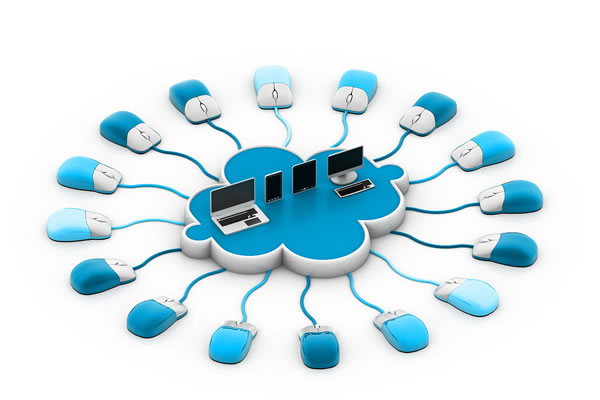
decisions about where to reside should take into account legal requirements, delays, business continuity and costs. if the law mandates local storage, priority will be given to the cloud host in the local jurisdiction; if it is for japanese and taiwanese users, a hybrid architecture can be adopted: core sensitive data is localized and non-sensitive data is processed centrally to save costs and ensure compliance.
key technical aspects include: strong encryption (tls, aes) at the transmission and storage ends, key management and independent control, multi-factor authentication and minimum privileges, logs and auditing (cannot be tampered with), backup and off-site recovery drills. it is recommended to enable end-to-end encryption or customer-owned keys (byok) to reduce cloud vendor visibility.
when signing a contract with a cloud vendor, clear service levels (slas), data processing agreements (dpa), notices and consents regarding sub-processors, cross-border transfer responsibilities, data deletion and return clauses, and incident notification and assistance obligations should be required. reference international standard clauses and supplement local legal requirements to quickly define liability when an incident occurs.
daily operation and maintenance recommendations include: regular risk assessment and data impact assessment (dpia), timely review of permissions and account life cycles, patch management and vulnerability scanning, centralized log analysis, regular backup and recovery drills, and privacy and security training for employees. these actions are key evidence for compliance audits.
when choosing a cloud vendor, give priority to its security and compliance certifications, such as iso/iec 27001, soc 2, csa star, etc.; also check whether it supports local audits, provides compliance reports and data flow transparency. these certificates are not a substitute for legal obligations, but they can significantly reduce technical risks.
establish and practice the incident response process: discovery->assessment->containment->recovery->notification. clarify internal responsibilities, collaboration mechanisms with cloud vendors, and notification triggering conditions and time points to competent authorities and affected parties. keep evidence chains and detailed logs to provide a basis for subsequent investigations and compliance reports.
assessment points include: data residency and cross-border policies, sub-processor lists and change notifications, encryption and key policies, exportable logs and auditability, compliance documentation, and services to support local legal compliance (e.g., local contract terms, chinese/japanese support). prioritize vendors with local operations or partners for quick support in compliance or emergency situations.
- Latest articles
- The Purchasing Guide Teaches You How To Find Affordable And Compliant Configurations For High-defense Servers In The US Within A Limited Budget
- User Feedback Summary: Recommended Most Trusted SS Hong Kong CN2 VPS Service Providers
- Latency Testing And Best Practices For Xingtai VPS Hong Kong Servers For Gamers
- Using Real Data To Illustrate The Differences In CN2 Access Between Malaysian Cities
- Backup And Recovery: How To Use Alibaba Cloud For Japanese Servers To Implement Snapshot Backup And Offsite Disaster Recovery Deployment Solutions
- Technical Practice: Automated Deployment And Synchronized Update Solution For Vietnam Site Cluster Servers
- Cluster Multi-IP Server Deployment Process In Taiwan And Node Redundancy Design Scheme
- Summary Of Best Practices For Development And Operations Collaboration In VPS CN2 Deployment In Singapore
- Global Deployment Strategies Combined With Latency Requirements To Develop US Server Pricing Plans That Meet Business Needs
- Japan PUBG Server: Practical Tips And Tools For Cross-region Teaming And Voice Communication
- Popular tags
-

How To Choose The Best Plan For Japan Cloud Server Rental
this article introduces how to choose the best solution for cloud server rental in japan, including factors to consider, comparing different service providers, understanding suitable usage scenarios, etc. -
How To Monitor And Troubleshoot The Performance Bottleneck Of Japanese Cloud Server Mp4 Service
performance monitoring and troubleshooting methods for mp4 on-demand/download services running on cloud servers for japanese nodes, including indicators, commands, real cases and configuration examples, as well as optimization and alarm strategies. -

How To Solve The Connection Problem In Japan Alibaba Cloud Server
discuss the connection problems and solutions that may be encountered when using alibaba cloud servers in japan to help users optimize network connections.